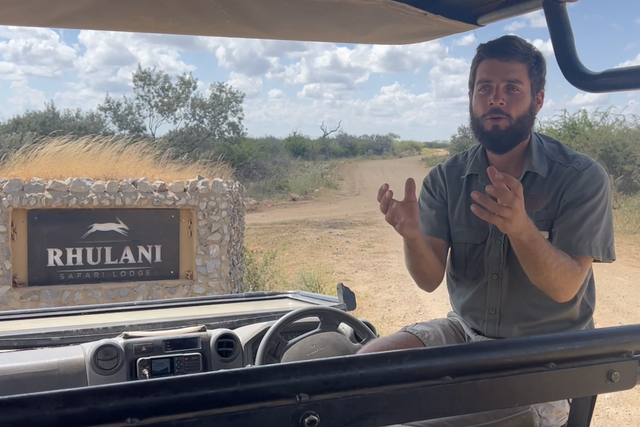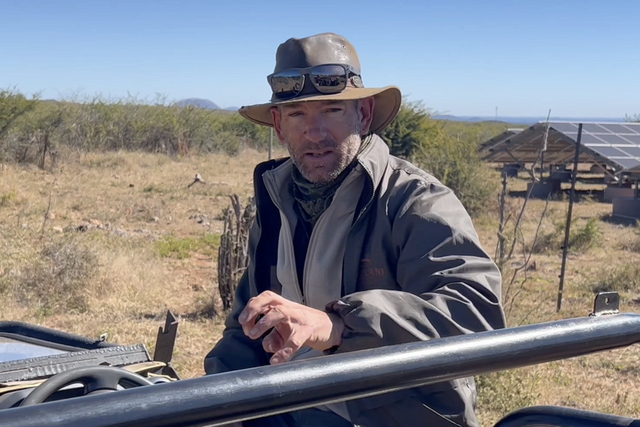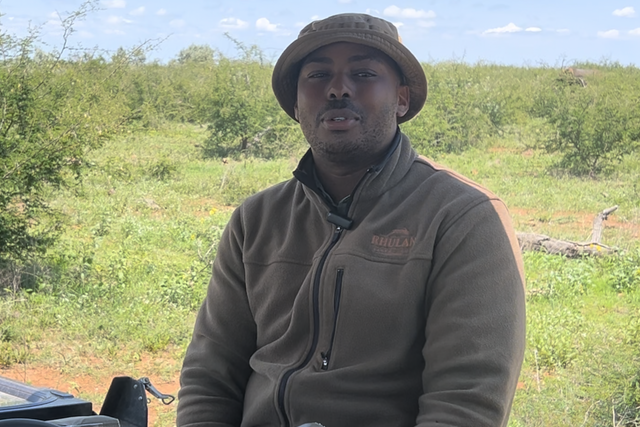
Our field guide Jacques Fourie is a big advocate for the diversity of the African bush. In his view, a safari experience shouldn’t be limited to the big five. As many others, he believes that mega-fauna is not the only must-have experience while outdoors and on safari. Bigger is not necessarily better and nature contains a complex and fascinating web of organisms, big and small.
Jacques got noticed by Africa Geographic magazine and here's the blog they published:
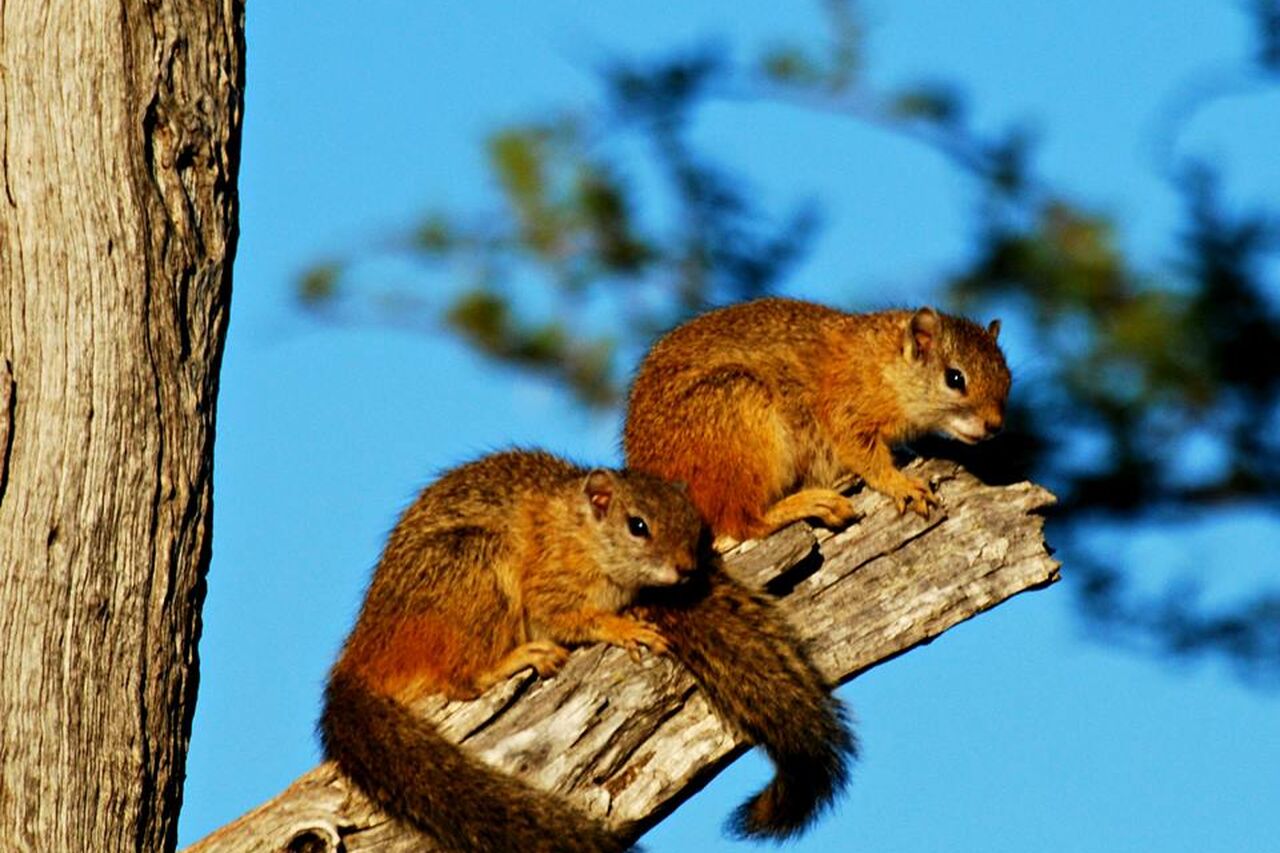
Jacques tries his hardest to grant visitors on his safari vehicle access to the fullness of all fauna. It is not always about the big five on a game drive but the small creatures as well. Jacques tell us more about some of his favourite, often-forgotten animals in the African bush, like these two tree squirrels.
Even though tree squirrels are essentially arboreal animals, that day we found them on the ground, foraging for food. During the night, territorial family groups nest together in holes in trees. The males are mainly responsible for territorial defense, although the females will also chase intruders if caring for pups. To promote group cohesion, a common scent is shared by mutual grooming, which is an important facet of the social fibre of this species.
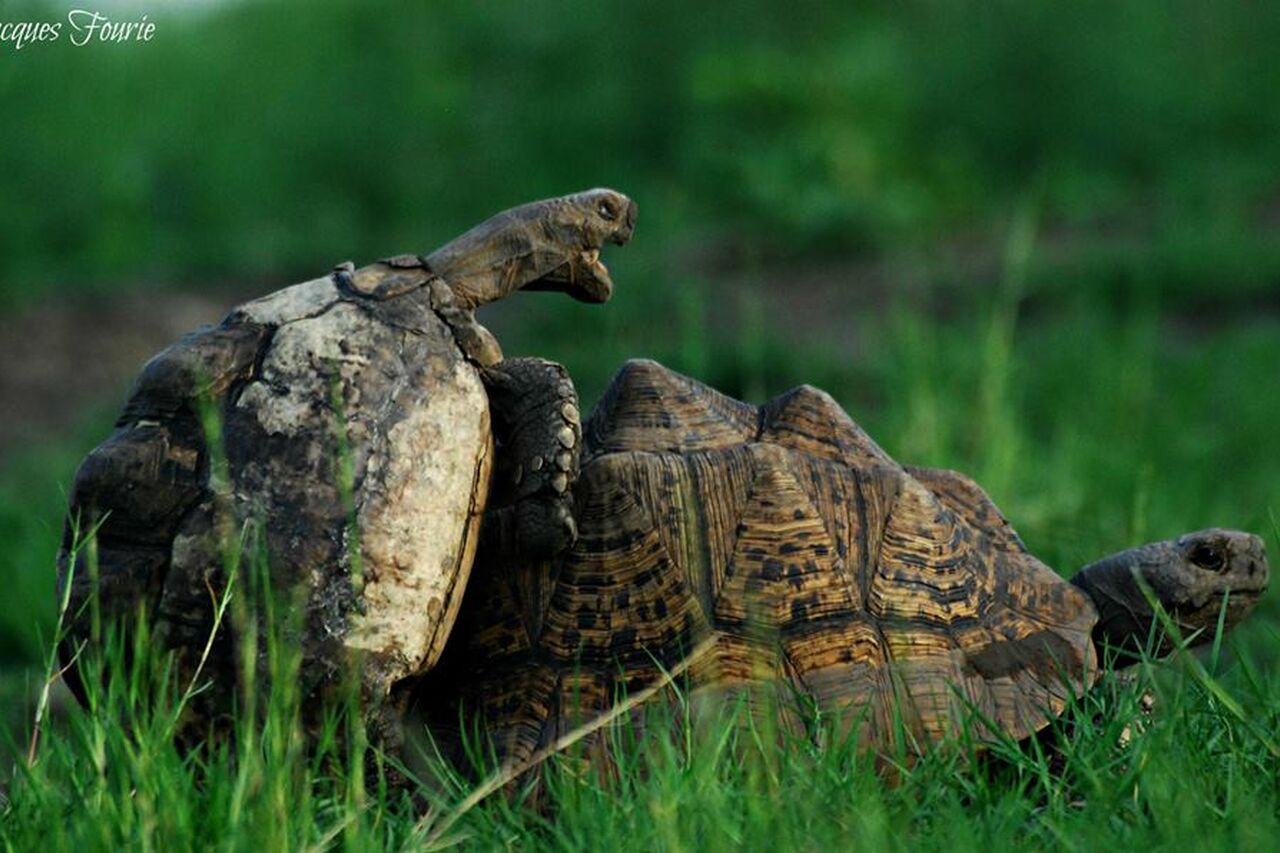
One of Jacques’ other favourite animals is a reptile. But it’s not the crocodile but the leopard tortoise. The leopard tortoise enjoys the privilege of belonging to the small five group, together with the ant lion, the rhino beetle, the elephant shrew and the red-billed buffalo weaver. Leopard tortoises are very long-lived animals, reaching sexual maturity between the ages of 12 and 15 years. This male started “courting” his fiancee by ramming her, making a series of grunting vocalisations.
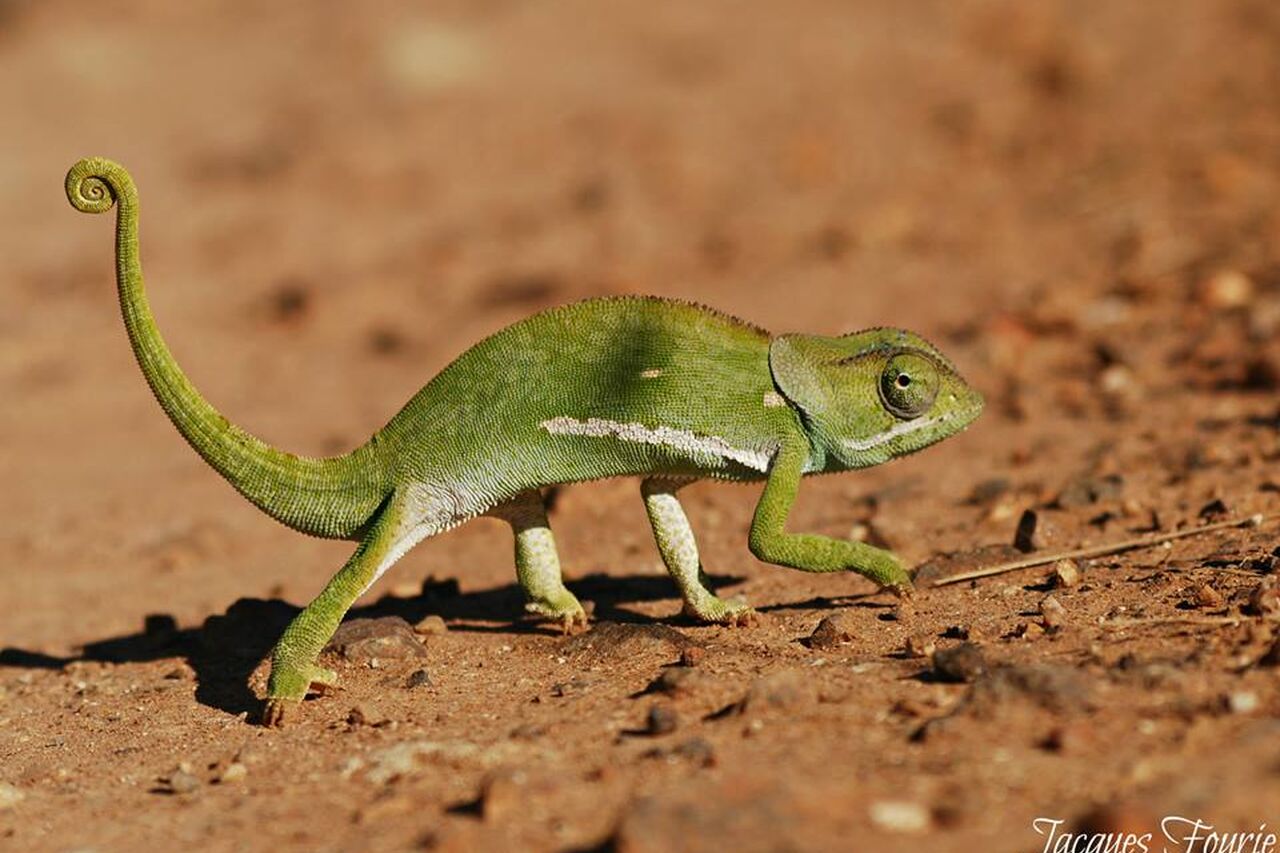
Another of Jacques’ favourite reptiles is the flap-necked chameleon. The chameleon is among the most evolutionarily complex and intelligent of the color-changing animals. It is a frequent misconception that they change color to match their environment. Instead, they change color to reflect mood and ambient temperature. There are more that 160 different species. The flap-necked chameleon’s body colouration is usually light green, brown or yellow, with a light or dark stripe extending across the flanks. The flap-necked chameleon is one of the most extensively exported chameleon species with the greatest demand for these chameleons being the pet trade.
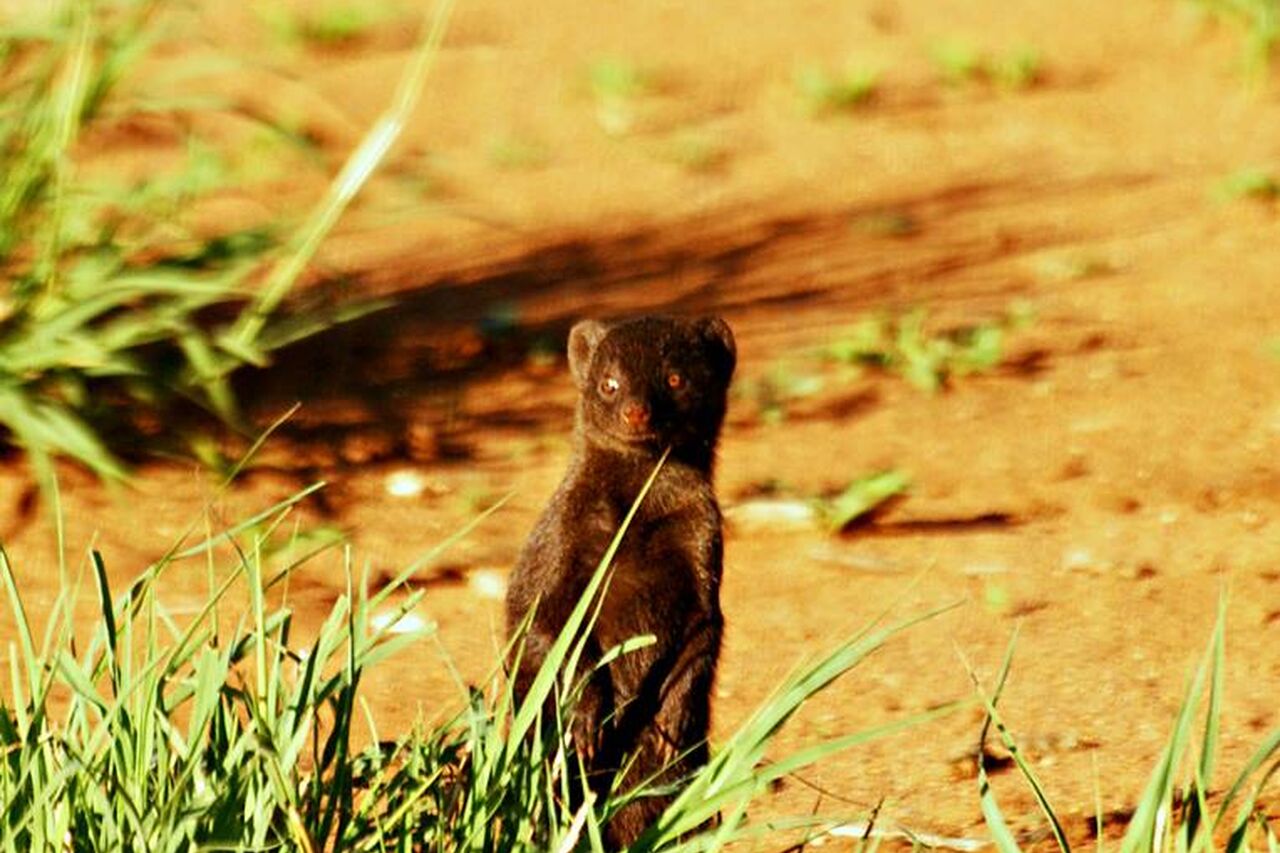
Last but not least Jacques has a soft spot for the dwarf mongoose. This is a highly social species that lives in extended family groups of two to thirty animals. There is a strict hierarchy among same-sexed animals within a group, headed by the dominant pair (normally the oldest group members). All group members cooperate in helping to rear the pups and in guarding the group from predators.
So next time you are on safari look out for the small things as these sightings are just as wonderful and perhaps even more rare than the ones of bigger species like lions and elephants.
Link to the original post in Africa Geographic magazine.
Related articles

Life of a Ranger: Mating mongooses
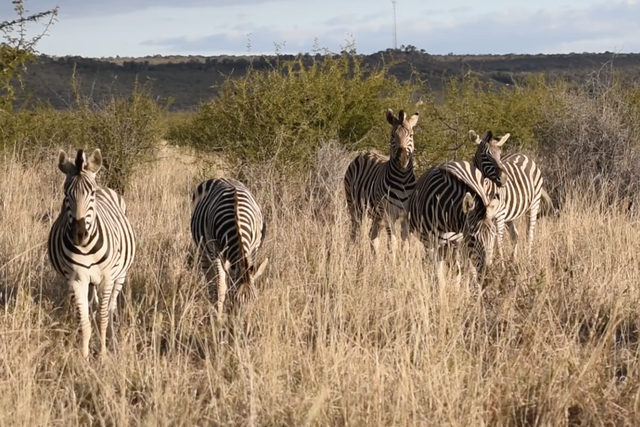
| Rhulani Safari LodgeDid you know that in a group of mongooses (also known as a "business of mongooses"), there is always an alpha male and an alpha female, and that only these two are permitted to breed? Today, Rhulani f...Rhulani Minute Safari - Zebras in the dry savannah
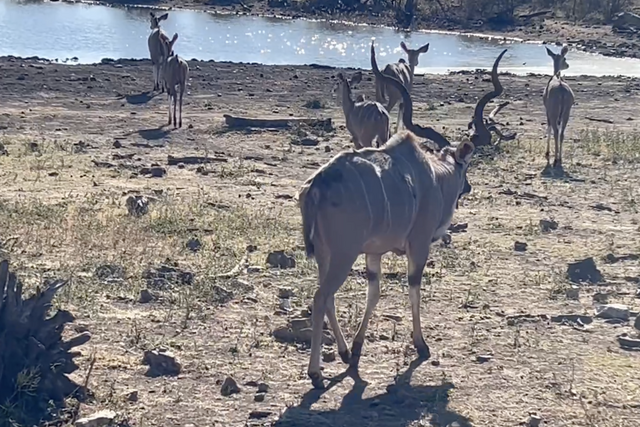
| Rhulani Safari LodgeThe zebra herd likes to stay in the sun and in the open savannah with medium-high grass and a few bushes, which provide an ideal balance between being able to see approaching danger with a good view a...Rhulani Minute Safari - Kudus on the way to the waterhole
| Rhulani Safari LodgeA herd of kudu, consisting of many females and one handsome male with long horns, makes its way to the waterhole in the dry savanna. Let's follow this wonderful herd and watch them....Life of a Ranger: A nervous little jackal
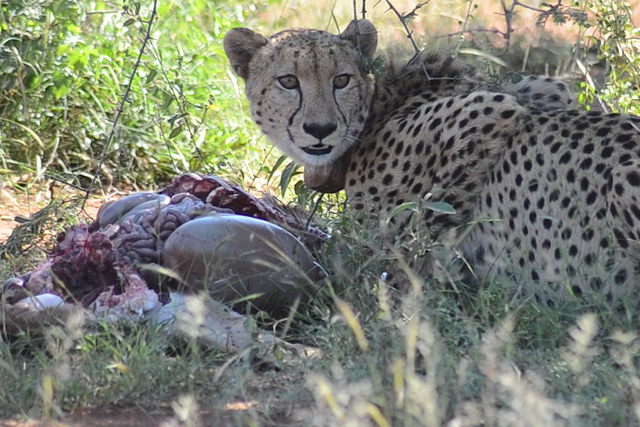
| Rhulani Safari LodgeDid you know that animals of the African savanna often become quite nervous and agitated during strong winds? This is because the wind interferes with their senses, making them more vulnerable to lurk...Rhulani Minute Safari - Cheetah devours freshly caught prey
| Rhulani Safari LodgeA magnificent cheetah devours its freshly caught prey with remarkable speed, instinctively racing against time before larger predators arrive to claim the meal. Between every few bites, it lifts its h...Life of a ranger: Black death of the bush
| Rhulani Safari LodgeDid you know that the Cape Buffalo, native to our region, has several nicknames due to its dangerous and aggressive nature, such as the Black Death of the Bush or the Widowmaker? Rhulani's ranger, Tha...